

Field Operations Software Fails When the Process Does Not Change
Franchise field operations software can improve visibility, consistency and follow-through, but simply turning on a new system does not create better operations. Adoption depends on leadership behavior, clear workflows and whether field teams and franchisees understand why the system matters.
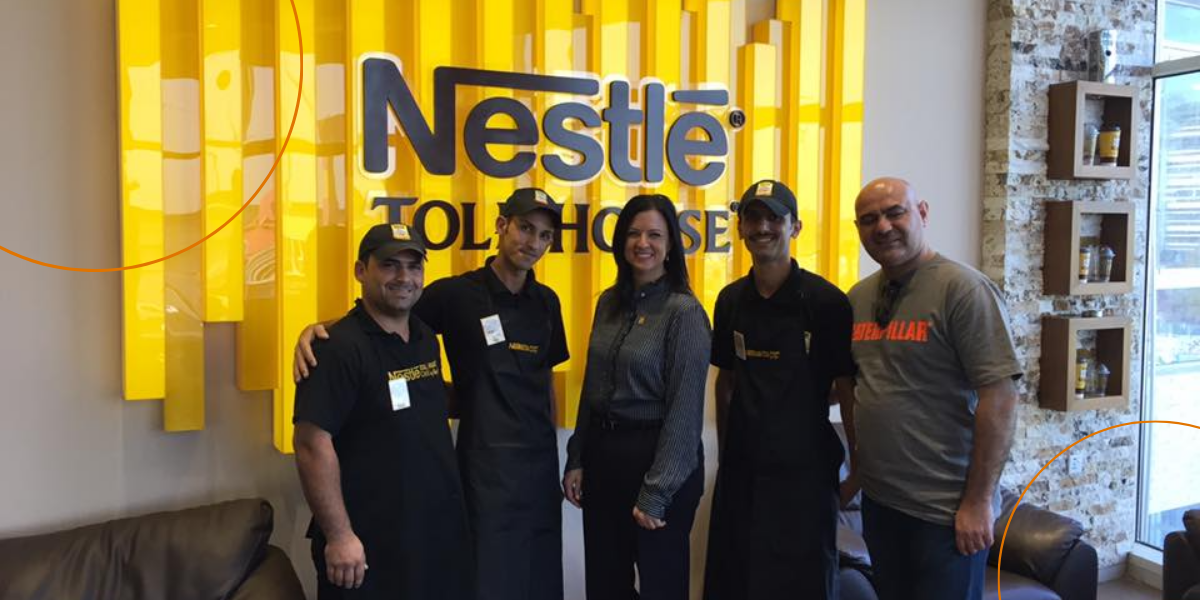
A historical FranConnect customer example involving Crest Foods, the parent company of Nestlé Toll House Café by Chip, illustrates the point. The organization had relied on disconnected documents and spreadsheets, moved away from FranConnect for a period, and later returned because its internal approach did not provide the shared visibility and operational tracking the team needed.
Lesson 1: Leadership Has to Use the System
If operations leaders treat the platform as something only field consultants are expected to use, adoption will remain inconsistent. Leaders need to review activity, understand outstanding actions and use the same information during operating conversations.
The system becomes credible when the people setting expectations also rely on it.
Lesson 2: Define the Operating Workflow Before Configuration
Technology should support a clear process. Before implementation, define:
- What a field visit is expected to accomplish
- Which standards are measured
- How findings are scored
- When corrective actions are created
- Who owns follow-up
- How completion is verified
- What leadership needs to see across the network
Without a shared workflow, teams often recreate inconsistent offline processes inside the new platform.
Lesson 3: Involve Field Teams and Franchisees
Adoption is more likely to be supported when users understand the reason behind the process. Field consultants can help identify which questions, visit steps and reports actually support better coaching. Franchisees can provide feedback on what is clear, useful and practical in the field.
Collaboration does not mean standards become optional. It means the system is designed to make required work clearer and more useful.
Lesson 4: Build Consistency Into the Visit Process
Standardized workflows help every FBC prepare, document findings and follow through in a comparable way. Consistency is especially important as the organization grows and more field consultants become responsible for different regions or performance tiers.
Lesson 5: Make Corrective Action Part of the Implementation
A field platform should not stop at capturing visit notes. Findings need to flow into assigned actions, due dates and verification so the visit produces measurable follow-through.
Read: How to Turn Field Visit Findings Into Action
Lesson 6: Reduce Administrative Work
Field teams should spend less time assembling reports and more time supporting franchisees. Mobile capture, reusable assessments, shared location history and automated follow-up can reduce unnecessary administration.
FranConnect customers have reported a 65% reduction in site-visit administrative time. Customer outcomes are not guarantees, but they illustrate why implementation should be measured by field-team capacity as well as software adoption.
Lesson 7: Use the Data in Operating Meetings
Adoption strengthens when the information collected in the field becomes part of how leadership runs the business. Review recurring findings, overdue corrective actions, location performance and support priorities using the same system field teams update.
A Practical Implementation Sequence
- Define the field operating model.
- Standardize visit and audit workflows.
- Configure assessments and corrective actions.
- Train leaders and field teams together.
- Pilot with a manageable set of locations.
- Review adoption and workflow friction.
- Expand and calibrate across the network.
- Use the resulting data in regular operating reviews.
Technology Should Reinforce the Operating Model
The most important implementation lesson is simple: software does not replace operational discipline. A well-designed system can support more consistent execution, measurement and improvement when the underlying process is clear and adopted.
Explore Field Operations Models · Explore Brand Consistency · Explore Operations & Compliance