











By

Kelsey Smith
Gabby Wong elected to IFA Board image

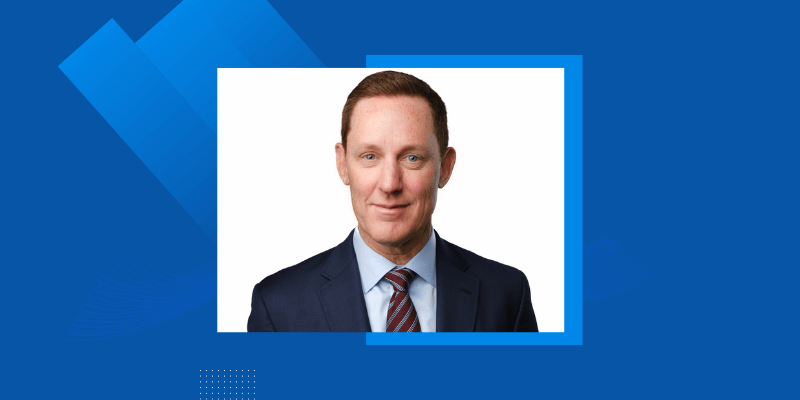
Gabby Wong of FranConnect Elected to International Franchise Association Board of Directors

Gabby will help lead the world’s oldest and largest franchise association, bringing a wealth of experience in franchising and dedicated commitment to the betterment of the business model

WASHINGTON, Oct 24, 2024 – The International Franchise Association (IFA) today announced Gabby Wong of FranConnect was appointed to serve on its Board of Directors. Joining along with fifteen other new directors, Gabby will start her term at the 2025 IFA Annual Convention in February, representing the franchising sector’s oldest and largest global trade association. 

“IFA’s volunteer leadership is integral in driving the association and our mission forward at a pivotal time for franchising,” said Matt Haller, IFA President and CEO. “Gabby’s expertise and experience in franchising will help take the association to new levels so we can further support our members and the opportunities they create in local communities. These new directors bring unique contributions and perspectives, and we look forward to the leadership they will provide to the entire franchise community and the millions of people it serves in the years ahead.” 

 Gabby is a seasoned operator with nearly 30 years of experience in positioning private equity-backed software and SaaS businesses for high-growth. She has deep experience in all aspects of growing technology businesses, including M&A, corporate strategy, product innovation, customer success, marketing and sales. Gabby has held successive leadership roles within FranConnect, joining first in 2016 as EVP of Operations and took the helm as CEO in 2018. 

Over the last six years, under her leadership, FranConnect’s revenue has grown by 5X and continues to lead the market in providing best-in-class sales, operations, and marketing solutions for franchise and multi-location businesses. After completing three acquisitions in four years, FranConnect has over 300 employees globally across US, Canada, India, and Australia, and serves nearly 1500 brands and 1 million locations worldwide. Gabby has been named a finalist for EY Entrepreneur of the Year Award Mid-Atlantic in 2022 and 2023. Prior to FranConnect, Gabby held executive leadership positions with worldwide operating roles at Primavera Systems (now Oracle), Trusted Computer Solutions (now EverFox/ForcePoint), Vovici (now Verint Systems), and Clarabridge (now Qualtrics). 

“I am honored to join the IFA Board of Directors,” said Gabby Wong, CEO of FranConnect. “For over two decades, FranConnect has been committed to helping brands achieve operational excellence, growth and success. I am thrilled to work alongside such a distinguished group of franchise leaders as we continue to address the industry’s most significant opportunities and challenges.” 

 The 2025 IFA Board of Directors is comprised of franchisor, franchisee, and supplier members, with a diverse representation of industries and background, who provide critical guidance to the IFA on the association’s key initiatives.  

“Serving on the IFA Board is one of the greatest ways to contribute to the future of franchising,” said Steve Hockett, Chair of the IFA Board of Directors and CEO of Great Clips. “This is a remarkable group who have shown their dedication to the franchise business model and its incredible reach intonearly every community in the U.S. Their leadership will undoubtedly continue to drive the success of franchising worldwide for generations to come.”  

The new directors will assume their positions in February 2025 and serve an initial three-year term. 

 About The International Franchise Association:  

 Celebrating over 60 years of excellence, education, and advocacy, the International Franchise Association (IFA) is the world’s oldest and largest organization representing franchising worldwide. IFA works through its government relations and public policy, media relations, and educational programs to protect, enhance and promote franchising and the approximately 806,270 franchise establishments that support nearly 8.7 million direct jobs, $858.5 billion of economic output for the U.S. economy, and almost 3 percent of the Gross Domestic Product (GDP). IFA members include franchise companies in over 300 different business format categories, individual franchisees, and supplier companies that support the industry. 

About FranConnect 

FranConnect is the leading enterprise software provider for franchise and multi-location businesses. For over 20 years, the FranConnect platform has served as the backbone for sales, operations, and marketing for over 1,500 brands and one million locations worldwide. Iconic brands such as SPARC/Authentic Brands (Forever 21), Tropical Smoothie Café, Authority Brands, and Papa John’s rely on FranConnect to expand locations, streamline unit operations, enhance collaboration, and improve profitability. Backed by private equity investor Serent Capital, FranConnect is headquartered in Herndon, Virginia, with global offices in Australia, India, Colombia, and Canada. For more information, visit www.franconnect.com.  

Driving Operational Excellence: The Power of Unified Systems for Corporate-Owned Locations

In today’s fast-moving business landscape, corporate-owned multi-location brands are under constant pressure to operate more efficiently, maintain high standards across all units, and scale with consistency. One of the most effective ways to meet these goals is through unified business systems—a strategy that unifies data, streamlines operations, and drives smarter decision-making at every level. 

The Risks of Disconnected Data 

Corporate-owned operations often involve multiple departments, regions, and systems—each generating its own data. Without integration, this leads to: 

  • Inefficient Processes: Teams waste time pulling data from different sources, delaying responses, and slowing execution. 
  • Inconsistent Reporting: Siloed systems often produce conflicting or outdated information. 
  • Limited Visibility: When visibility is fragmented, leadership is left guessing where issues lie—and opportunities for improvement go unnoticed. 
  • Higher Risk Exposure: Missed compliance issues and delayed responses can escalate into costly operational failures and reputational damage. 

Request A Demo

Why Unification Matters for Corporate-Owned Businesses 

Connecting your systems into a unified operational ecosystem leads to measurable benefits: 

  1. Operational Agility: Integrated workflows reduce manual work, enabling field and HQ teams to focus on high-impact tasks. 
  1. Reliable, Real-Time Data: Unified systems ensure data accuracy across departments and locations—no more working from multiple versions of the truth. 
  1. Faster, Smarter Decisions: Real-time access to performance data allows leaders to pivot quickly and act with confidence. 
  1. Scalable Efficiency: Integrated tools eliminate tech sprawl and reduce IT overhead, creating a leaner, more sustainable tech stack. 

How Optik IQ Powers Compliance at Scale 

Optik IQ enables: 

  • Unified Visibility: Get a centralized view of compliance, audit results, corrective actions, and frontline execution across all locations. 
  • Automated Issue Resolution: Assign and track corrective actions with built-in verification steps—so nothing falls through the cracks. 
  • Role-Specific Retraining: Automatically trigger targeted training when repeat violations are detected, reducing risk and improving performance. 
  • Data-Driven Coaching: Identify trends, high-risk areas, and coaching opportunities in real time—before small issues become big problems. 
Real-World Impact for Corporate Teams 

Imagine a corporate-owned QSR brand managing 200+ locations. Without integrated systems, their audit and issue tracking is slow, fragmented, and reactive.  

By implementing Optik IQ: 

  • Issues are automatically tracked from detection to resolution 
  • Compliance data is available in real time at both the regional and executive level 
  • Repeat violations drop thanks to auto-triggered retraining modules 

In another example, a corporate-owned retail chain uses Optik IQ to unify store operations, field audits, and incident reporting into a single platform. With everything in one place, they’ve streamlined field support, sped up execution, and boosted compliance scores across the entire organization. 

Conclusion: Scaling Smart Starts with Unified Operations 

If you’re running a corporate-owned business, having unified operations isn’t just a nice bonus—it’s essential. When teams, tools, and data aren’t connected, things slow down, decisions get delayed, and small issues can quickly turn into bigger problems. 

With tools like Optik IQ, you can bring all your data together, automate the stuff that slows your team down, and help every part of the business run smoother. As your brand grows, having connected systems isn’t just helpful—it’s what sets you up to scale without the chaos. 

a mostly white image with a clipboard in the middle that reads training. The clipboard is being held over a desk with other office accessories like a phone, calculator, keyboard, and laptop.

The Hidden Crisis in Franchise Training: Are Multi-Unit Owners Set Up to Fail?

A silent crisis is unfolding in the dynamic world of franchising, where entrepreneurial dreams intersect with proven business models. It threatens the success of ambitious franchisees and the growth of entire franchise systems. The culprit? There is a startling lack of specialized training for multi-unit franchise owners.

Imagine Sarah, a successful single-unit franchisee of a popular fast-food chain. Buoyed by her success, she expanded, acquiring two more units with her franchisor’s blessing. But as her empire grows, so does her sense of being overwhelmed. Managing multiple locations, Sarah quickly realizes, is a whole new ballgame—one for which she feels woefully unprepared.

Sarah’s story is far from unique. A recent review of several hundred franchise disclosure documents revealed a disturbing trend: only a tiny fraction of franchisors offer formal training on the nuances of multi-unit ownership. It’s like asking pilots trained for single-engine planes to captain a commercial jet fleet suddenly without additional instruction.

The jump from single to multi-unit ownership is like going from checkers to chess… the rules are similar, but the strategy is entirely different.

The Multi-Unit Sales Boom: A Double-Edged Sword

Before discussing the essential components of multi-unit ownership training, it’s crucial to address a growing trend in the franchise industry exacerbating this hidden crisis: the boom in multi-unit franchise sales.

Franchise brokers, incentivized by commission structures that reward larger deals, have been increasingly pushing the sale of multi-unit packages—often in bundles of three, five, or even ten packs. It’s not hard to see why: brokers stand to earn substantially more from these multi-unit deals compared to single-location sales.

The allure of rapid expansion is strong. However, many prospective franchisees don’t realize that managing multiple units requires a different skill set than running a single location.

While lucrative for brokers and appealing to ambitious entrepreneurs, this trend could be a recipe for disaster if franchisors don’t have robust training systems. The gap between the skills needed for single-unit and multi-unit ownership is vast, and without proper preparation, new multi-unit franchisees may find themselves overwhelmed and underprepared.

Before accepting multi-unit leads, franchisors must ensure their training and development systems are equipped to handle the complexities of multi-unit ownership. Otherwise, they’re setting up their franchisees—and ultimately themselves—for failure.

With this context in mind, let’s explore what comprehensive multi-unit franchise training should entail:

Request A Demo

1. The Art of Strategic Thinking

The first lesson in Multi-Unit Ownership 101 is that you can’t be everywhere at once. Successful multi-unit franchisees learn to work “on” the business rather than “in” it. This means stepping back from day-to-day operations to focus on big-picture strategy.

“I had to learn to let go,” confesses Pat, a multi-unit owner of a leading personal services franchise brand that treats families for head lice infestations. “Realizing that my job was to guide the ship, not to staff every station, was a game-changer.”

This strategic thinking involves:

– Long-term growth planning

– Resource allocation across units

– Brand consistency and development

2. Building a Management Dream Team

With multiple locations to oversee, having a reliable manager at each unit isn’t just helpful—it’s essential. But how do you find, train, and retain these crucial team members?

Effective multi-unit training programs teach franchisees the finer points of:

– Hiring and developing talented managers

– Delegating responsibilities effectively

– Building and leading a cohesive management team

– Fostering a positive organizational culture across all units

“Creating a cohesive culture across multiple units was my biggest challenge,” acknowledges Bill, a multi-unit, multi-branded franchisee who owns several units of a leading QSR restaurant brand and a beauty salon franchise. “Each location had its personality, and bringing them all under one vision took skills I had to learn on the fly.”

3. Crunching the Numbers (Without Getting Crunched)

Financial management takes on a new dimension when dealing with multiple units. Multi-unit and multi-brand franchisees need to understand:

– Complex budgeting processes for multiple locations

– How to allocate resources effectively across units

– The potential for and implementation of economies of scale

– Advanced financial analysis and forecasting

“I wish someone had taught me about the financial intricacies of multi-unit ownership earlier,” Sarah reflects. “It would have saved me a lot of sleepless nights and costly mistakes.”

4. Harnessing the Power of Technology

Technology is the multi-unit franchisee’s best friend in today’s digital age. Tech-savvy is no longer optional, from point-of-sale systems that provide real-time data across all locations to analytics tools that help identify trends and opportunities.

Training in this area should cover:

– Implementing systems for multi-unit oversight

– Analyzing and interpreting Key Performance Indicators (KPIs) across multiple locations

– Utilizing data to make informed business decisions

Enter franchise management software like FranConnect and learning management systems (LMS) like World Manager. These powerful platforms are revolutionizing franchise operations and training, offering a centralized single source of truth, a hub for playbooks, performance tracking, and learning and development activities.

“World Manager has been a game-changer for us,” says Collin, a multi-unit owner of a famous QSR franchise brand. “Its gamification features have made training fun and competitive, dramatically improving engagement and knowledge retention among our staff.”

Indeed, gamification—applying game-design elements to non-game contexts—is a powerful tool in franchise training. Leaderboards, badges, and point systems tap into employees’ natural desire for competition and achievement, making learning more enjoyable and effective.

5. Mastering the Human Element

With a larger workforce comes greater HR responsibilities. Multi-unit franchisees need to be adept at:

– Conducting performance reviews across multiple units

– Managing conflicts and maintaining morale

– Developing and implementing standardized HR policies

– Creating and maintaining a consistent culture across all locations

6. Becoming a Master Trainer

One often overlooked aspect of multi-unit ownership is the need for franchisees to become effective trainers. This is where “train the trainer” programs come into play.

“Learning how to teach others was a pivotal moment in my multi-unit journey,” reflects Mark, owner of several automotive service franchises. “It allowed me to scale my operations while maintaining consistency across all locations efficiently.”

Train-the-trainer programs equip multi-unit franchisees with the skills to effectively pass on their knowledge and the franchisor’s systems to their managers and staff. This ensures unit consistency and empowers franchisees to build strong, self-sufficient teams.

Many franchisors are now incorporating train-the-trainer modules into their multi-unit training programs, recognizing that effectively training others is a crucial skill for successful multi-unit ownership.

The Franchisor’s Responsibility

Given the increasing prevalence of multi-unit deals, franchisors are responsible for ensuring their training programs are up to the task. This means expanding existing single-unit training and developing comprehensive, multi-unit-specific programs that address the unique challenges of managing multiple locations.

“Franchisors need to resist the temptation of rapid expansion through multi-unit sales if they can’t support it with equally robust training,” warns Sean Fitzgerald, the President of Tru Blue Home Service Ally. “The long-term costs of franchisee failure and system instability can quickly overshadow the short-term gains from selling multi-unit packages.” Nothing will cause your franchise sales program to stall more than having multi-unit failures.”

The message for franchisors considering multi-unit expansion is clear: before you begin accepting multi-unit leads, ensure you have your training and development house in order. This might mean:

  1. Developing specific multi-unit training modules
  2. Creating mentorship programs pairing new multi-unit owners with experienced ones
  3. Investing in advanced learning management systems to facilitate ongoing training
  4. Establishing clear benchmarks for multi-unit readiness

By taking these steps, franchisors can ensure they’re not just selling multi-unit packages but setting their franchisees up for multi-unit success.

The Benefits of Addressing the Training Gap

The advantages of comprehensive multi-unit training are clear:

– For franchisees: Smoother operations, faster growth, and higher profits

– For franchisors: Stronger system-wide performance and more rapid expansion

So why isn’t this training more widespread? Some franchisors argue that multi-unit skills are best learned through experience. Others haven’t recognized the need. However, as the franchise industry continues to evolve, with multi-unit ownership becoming increasingly common, this gap in training is becoming impossible to ignore.

The Path Forward

The good news is that change is on the horizon. Forward-thinking franchisors are beginning to implement comprehensive multi-unit training programs. These programs often combine:

– Classroom learning

– On-site training

– Ongoing support and mentorship

– Advanced LMS platforms for continuous, engaging training experiences

As for Sarah? After some initial struggles, she sought mentorship from experienced multi-unit owners and invested in her education. Today, she’s the proud owner of five thriving locations and is considering expanding further. She’s also become an advocate for comprehensive multi-unit training within her franchise system, pushing for the adoption of advanced learning technologies and train-the-trainer programs.

Conclusion

The lesson is clear: success in franchising is about more than following a proven system. It’s about having the right skills and knowledge to scale that system effectively. As the franchise business format continues to grow and evolve, closing the multi-unit training gap isn’t just an opportunity—it’s an imperative.

For franchisors, the message is simple: invest in comprehensive multi-unit training now, or risk watching your most ambitious franchisees struggle unnecessarily. This means developing robust training programs and leveraging cutting-edge learning technologies and methodologies to deliver them effectively.

And for aspiring multi-unit franchisees? Don’t wait for someone else to prepare you for success. Seek the knowledge and skills you need, embrace new learning technologies, and prepare yourself to become an owner, teacher, and leader. With the proper training and tools, you’ll be well on your way to building your franchise empire.

In the end, bridging this hidden gap in franchise training isn’t just about avoiding failure—it’s about unlocking the full potential of the franchise model. In doing so, we can ensure that the next generation of multi-unit franchisees isn’t just surviving and thriving in an increasingly complex and competitive business landscape.

Request A Demo

Written by Guest Writer Keith Gerson, CFE – President & CEO of Gerson Advisory Services

About the author: Keith Gerson, CFE, is one of the best-known experts in franchising and is well-known for his thought leadership. Keith brings 50 years of franchise experience to Gerson Advisory Services (GAS), offering unparalleled insights and strategic guidance for franchisors. His leadership and visionary approach have shaped successful franchise systems worldwide.


An image with a road surrounded by mountains.

The Future of Franchise Operations: Insights from Five Decades in the Trenches

Written by Guest Writer Keith Gerson, CFE – President & CEO of Gerson Advisory Services

When I first started franchising in the early ’70s, we didn’t even have fax machines, let alone the tech we’re using today. I remember lugging around a briefcase full of paper reports to every franchisee visit. Now, as President and CEO of Gerson Advisory Services and former President of Franchise Operations for FranConnect, I’m watching AI revolutionize the franchise industry. It’s been quite a journey, and I’ve got a few thoughts on where we’re headed next.

The CFXO: More Than Just Another Fancy Title

Let me tell you about a conversation I had last month with Scott, a franchisor client of mine. He was frustrated because his top-performing franchisee was threatening to leave the system. “Keith,” he said, “I don’t get it. Their numbers are great, but they’re unhappy. What am I missing?”

This is exactly why I’ve been pushing for the role of Chief Franchise Experience Officer (CFXO). It’s not just another C-suite title to hand out at the company holiday party. The CFXO is your franchisee happiness guru, your system’s empathy engine.

In Scott’s case, a CFXO would’ve spotted the issue long before it reached boiling point. They would’ve noticed that while this franchisee’s numbers were stellar, they hadn’t received meaningful support or recognition in months. Sometimes, it’s not about the numbers – it’s about feeling valued.

From Consultant to Coach: A New Breed of Support

If you’ve been around long enough, you’ll remember the old days when the Franchise Business Consultant’s job was basically to show up, check some boxes, and move on. Thankfully, those days are over.

I was at a franchise conference recently where I heard a franchisee say, “I don’t need big brother telling me to ‘increase sales.’ I need someone who can help me figure out how.” That’s stuck with me because it perfectly captures the shift we need to make.

We’re moving towards what I call Franchise Success Coaches (FSCs). These aren’t just consultants; they’re part business guru, part psychologist, and part cheerleader. They need to be able to dig into the numbers, but also to be able to read between the lines of what a franchisee is really saying.

I’ve seen this work wonders. A client of mine implemented this approach last year. Their customer satisfaction scores have gone up 22% since then. Why? Their FSCs aren’t just looking at sales figures; they’re coaching on everything from staff morale to local marketing strategies.

Tiered Support: Because One Size Fits None

Here’s a hard truth I’ve learned: a franchisee who’s been in business for 10 years needs very different support than someone who’s just opened their doors. Sounds obvious, right? You’d be surprised how many systems still use a one-size-fits-all approach.

I’m betting that many of you have a long-term franchisee who has been in the system for many years and who is consistently a top performer. But when you sat down with him, he was considering leaving. Why? He said, “I’m tired of sitting through the same basic training sessions year after year. I need something more.”

I’ve had those conversations over the years, and that’s when the idea of tiered support really crystallized for me. Now, I advocate for systems where new franchisees get intensive, hands-on support while veterans of your system get advanced strategies and peer networking opportunities. It’s not about less support for experienced franchisees – it’s about different support.

Real-Time Data: The Good, The Bad, and The Game-Changing

Let me take you back to 1991. I was working with a specialty food franchise system, and we had just installed our first real-time POS system. I remember standing in a franchise location, watching those sales figures roll in live for the first time. It was like magic.

Fast-forward to today and the data we have access to is mind-boggling. But here’s the kicker—data alone isn’t enough. I’ve seen franchisors drown their franchisees in numbers without providing any real insights.

The game-changer is using this data to have meaningful conversations. One of my clients was able to spot a trend in negative reviews about the speed of service and worked with franchisees to make immediate improvements. Result? A 15% jump in positive reviews in just three months.

Revolutionizing Franchise Operations with Playbooks.

Playbooks are essential in helping to create stronger, more resilient franchise systems by replicating best practices with unprecedented speed and precision. For franchisors looking to drive consistent performance, this tool is a game-changer. The key is that you’re not just collecting data – you’re using it to drive action. It’s not just about making corporate jobs easier; it’s about giving franchisees the tools and insights they need to succeed.

I didn’t really have to gaze long into my crystal ball, as what I initially thought were future capabilities exist today. FranConnect, I’ve found, has the best playbooks in the business when it comes to franchise operations. They have developed the ability to transform how we use real-time data to drive improvements across franchise systems.

Playbooks can turn data into immediate action. Imagine a restaurant franchise where, if a location’s cleanliness scores drop below a certain threshold, the system automatically assigns a detailed cleaning and maintenance playbook to that franchisee. It’s immediate, targeted support exactly when and where it’s needed.

Playbooks can be created for any performance indicator – customer satisfaction, upselling, you name it. It’s like having your best performers mentor every location, but automated and scalable.

AI and Machine Learning: The New Frontier

Now, I’ll admit that when I first heard about AI in franchising, I was skeptical. I had concerns over data privacy, content ownership, “hallucinations,” ethical concerns, a lack of human touch, etc. But I’ve come around in a big way.

Last year, I heard of a franchised B2B concept that implemented an AI system to generate performance improvement playbooks. The system analyzed data from across their 500 locations and created customized strategies for each location.

The results were impressive, but what really sold me was a conversation I had with their CEO. “For the first time,” he told me, “I feel like the advice we are giving is truly tailored to our franchisee’s locations, not just generic one-size-fits-all solutions.”

The Hybrid Model: Balancing High-Tech and High-Touch

The pandemic forced us all to go virtual, and let me tell you, it wasn’t pretty at first. A franchisor I spoke with at an IFA event told me about one video call where a franchisee accidentally left their mic on while making some colorful comments about corporate. Not their finest hour.

But we learned, we adapted, and now I’m convinced that a hybrid model is the way forward. There’s still no substitute for sitting across from your franchisee, looking them in the eye, and shaking their hand. But the efficiency of virtual check-ins? That’s here to stay.

One approach for consideration is bi-annual in-person visits, with bi-weekly virtual calls. An example could be to deliver in-person visits in January and July, followed by virtual calls every two weeks (26 calls per year), and an option for additional ad-hoc virtual calls as needed.

Another approach could consist of an annual in-person visit (reserved for annual strategic planning and critical hands-on support). These are offset by quarterly extended virtual sessions (2-3 hours) for in-depth reviews and bi-weekly brief virtual check-ins (15-30 minutes for quick updates). It’s recommended that one in-person visit be scheduled in the first quarter for new franchisees.

I’ve also seen systems that offer a flexible system based on each franchisee’s performance.

  • High-performing franchisees: Annual in-person visit, with bi-weekly virtual calls.
  • Average-performing franchisees: Semi-annual in-person visits offset with bi-weekly. virtual calls.
  • Underperforming franchisees: Quarterly in-person visits with weekly calls.
  • Additional ad-hoc virtual calls can be scheduled as needed for urgent matters or specific concerns.

Looking Ahead: The Only Constant is Change

As I look back on my five decades in franchising, one thing is clear—this industry never stops evolving. The challenges we face today are different from those we faced in the ’80s, ’90s, or even last year. However, the core of what we do remains the same: supporting franchisees in building successful businesses responsibly.

The future of franchise operations is about embracing technology without losing the human touch. It’s about using data to inform decisions but not letting numbers overshadow relationships. It’s about providing tailored support that evolves as our franchisees grow.

Is it going to be easy? Not at all. But in my experience, the most rewarding things rarely are. As we navigate this new frontier, let’s remember why we got into franchising in the first place – to help people achieve their dreams of business ownership.

Here’s to the future of franchising. It’s going to be one heck of a ride!

1 8 9 10 11 12 37
en_AUEN_AU
Join us May 14th at 1:00 PM ET as we present the 2025 Sales Index Report
This is default text for notification bar